



- Inaugural Eberly Research Excellence and Innovation Awards honor 12 researchers
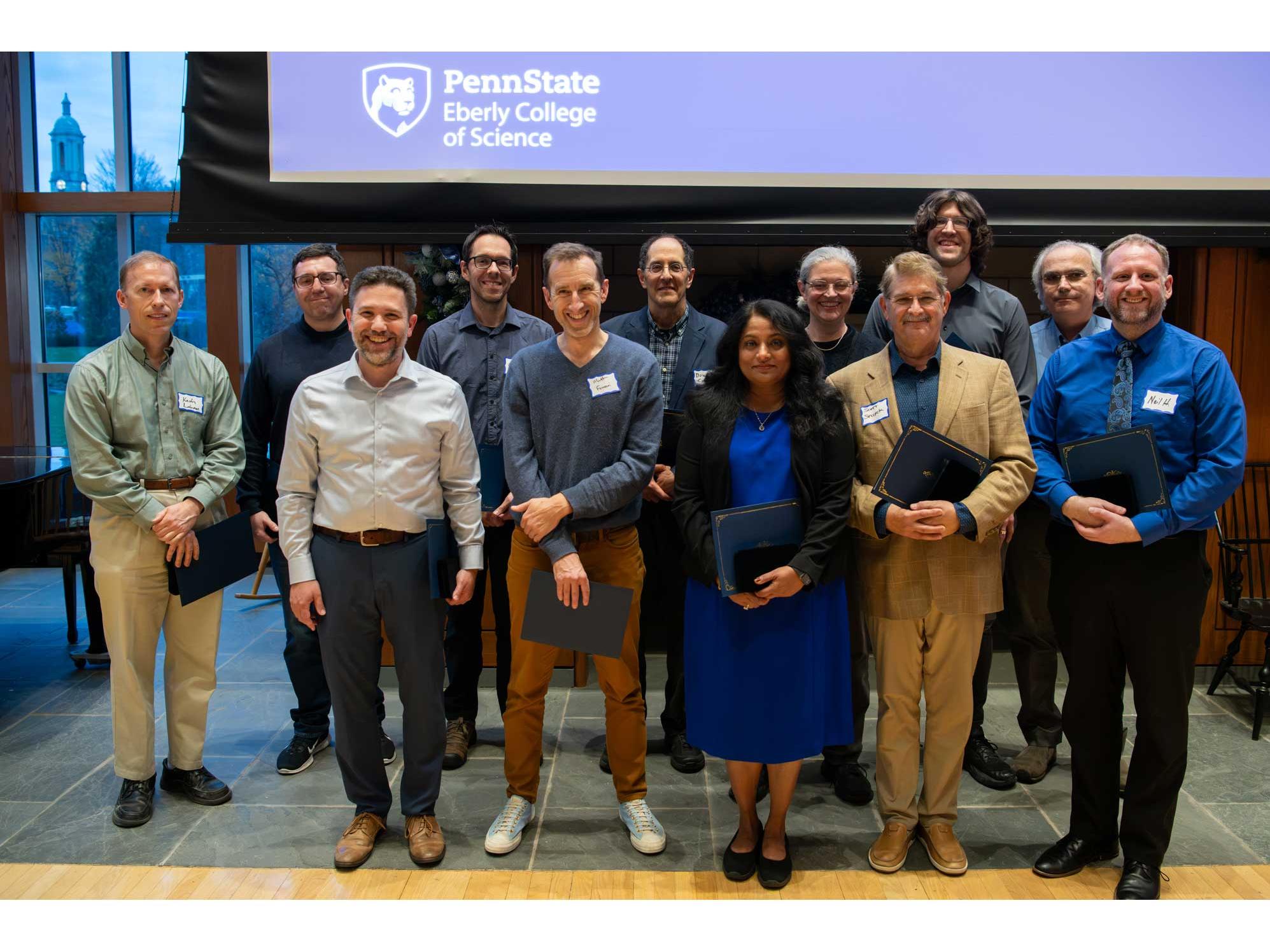
The Penn State Eberly College of Science honored 12 researchers with inaugural Eberly Research Excellence and Innovation Awards.
- Nittany Angels funds company to develop robots for risky, airborne construction
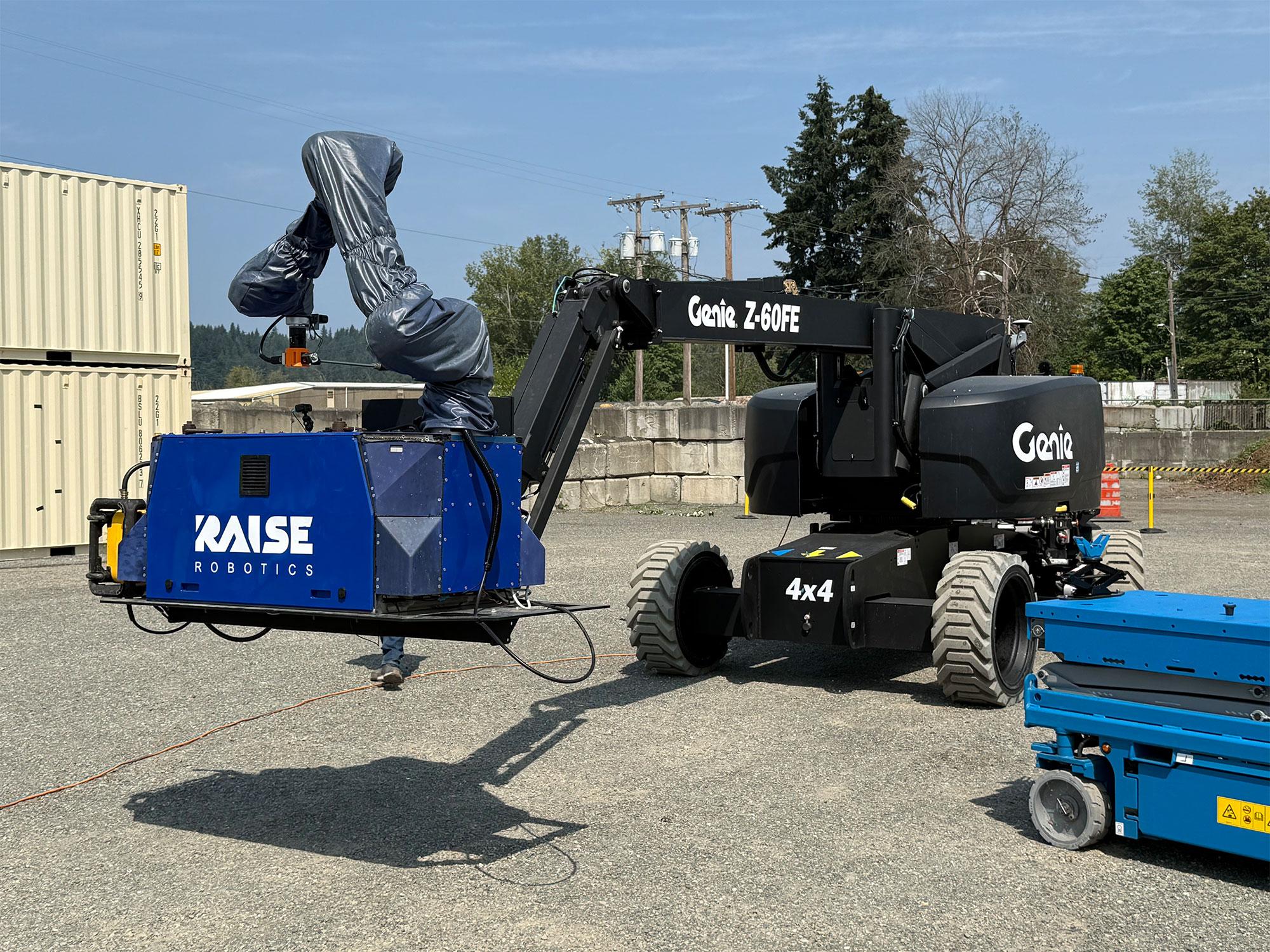
Nittany Angels, Penn State’s angel investment network, has announced its second investment, committing $189,000 to help accelerate the work of a company co-founded by an alum, Raise Robotics.
- Q&A: Leveraging artificial intelligence to propel engineering education

Suman Saha, associate teaching professor of computer science and engineering at Penn State, was awarded a two-year, $199,009 U.S. National Science Foundation Research Initiation in Engineering Formation grant to support the implementation of an artificial intelligence-enabled adaptive tutoring platform.
- Penn State Berks AIMS Lab to host seminar on ethics and algorithmic fairness

The Penn State Berks Artificial Intelligence, Modeling and Simulation Laboratory will host a presentation on how artificial intelligence can be made fairer in consequential decisions. The lecture will be presented by Violet (Xinying) Chen, an assistant professor of information systems and analytics at Stevens Institute of Technology, from noon to 1 p.m., Tuesday, Nov. 17, in the Gaige Technology and Business Innovation Building, Room 244. Registration required.
- Penn State hosts international conference on the Andes and Amazonia
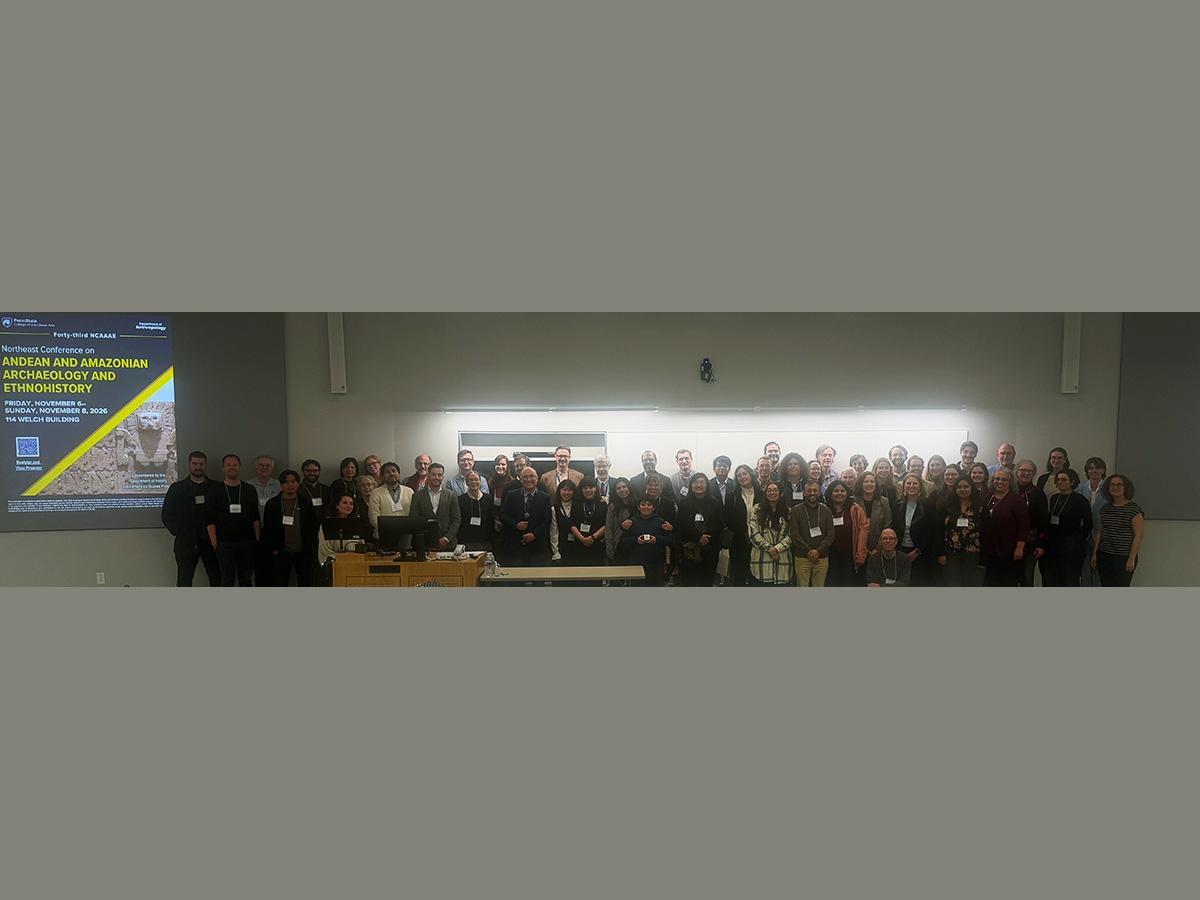
The 43rd Northeast Conference on Andean and Amazonian Archaeology and Ethnohistory took place Nov. 6-8 in the Susan Welch Liberal Arts Building at Penn State University Park.
- Nitrate pollution in rivers linked to dry climates, not just human activity

Nitrate pollution in rivers has traditionally been attributed to agricultural waste or human input, but scientists at Penn State have published a paper in Science suggesting that a dry climate contributes to increased pollution, even in some of the most remote parts of the world.